
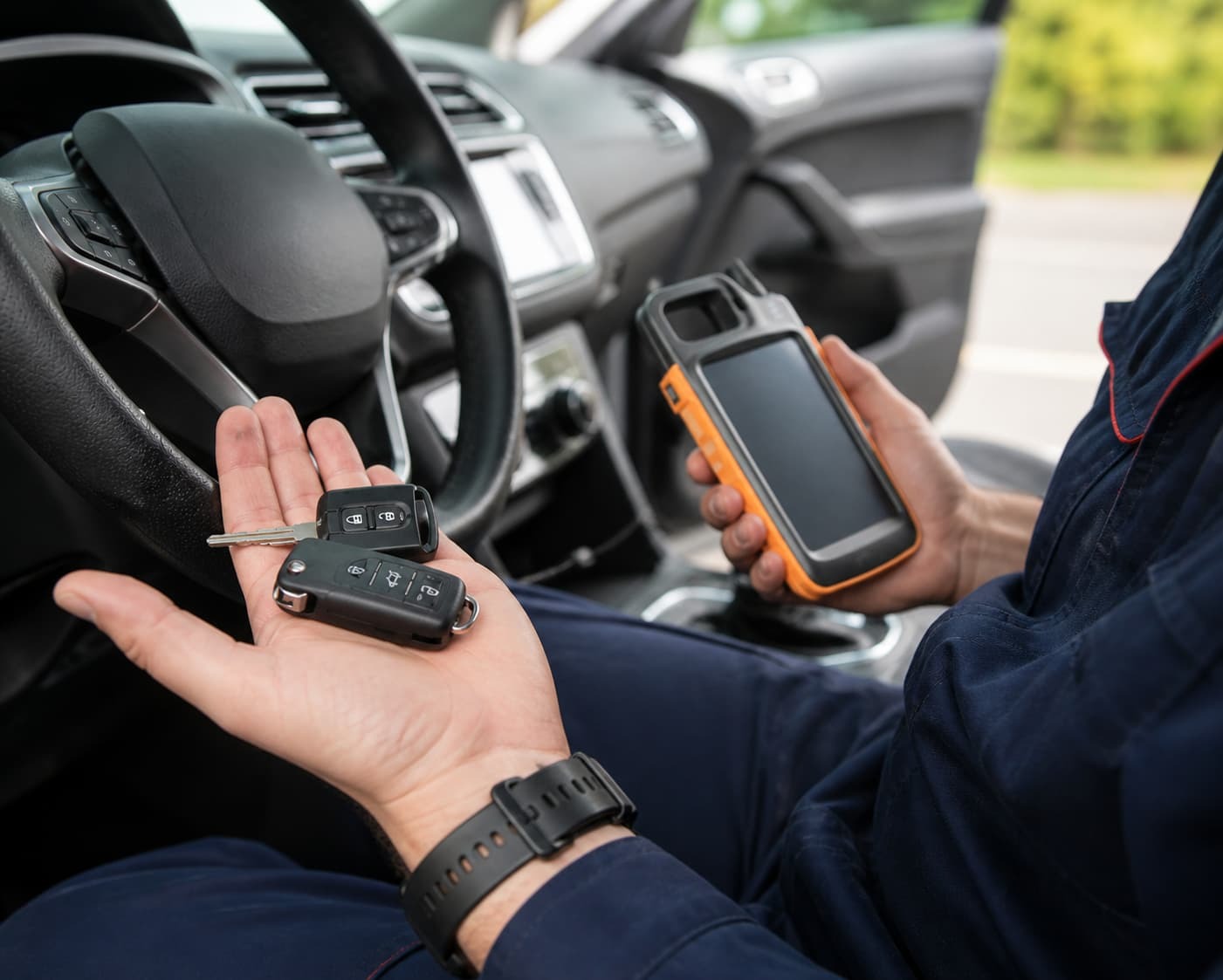
In the ever-evolving landscape of automotive security, the need for safe and reliable vehicle access methods has become increasingly paramount. Traditional methods of car entry, while effective in their time, are gradually being overshadowed by more sophisticated techniques that prioritize non-destructive approaches. This shift not only enhances security but also ensures that vehicle integrity is maintained without compromising convenience or causing damage.
Non-destructive car entry refers to techniques and technologies designed to unlock vehicles without causing any physical harm or alteration to the vehicle’s structure or locking mechanisms. This approach is particularly beneficial in situations where non-destructive car entry keys are lost, locked inside the car, or when key fob batteries fail unexpectedly. The primary advantage lies in its ability to preserve the original condition of the vehicle while providing quick and efficient access.
One of the most common non-destructive methods involves using specialized lock-picking tools that can manipulate a car’s locking mechanism without damaging it. These tools require a high level of skill and expertise, ensuring that only trained professionals can perform such tasks effectively. By mimicking the action of a legitimate key within a lock cylinder, these tools allow for seamless unlocking without leaving any trace of forced entry.
Another innovative approach is through electronic means such as signal amplification devices which exploit vulnerabilities in keyless entry systems. While this method has raised concerns about potential misuse by criminals, advancements in technology have led to improved encryption protocols making unauthorized access increasingly challenging. Manufacturers are continually updating their systems to counteract these threats while maintaining ease of use for legitimate users.
Moreover, modern cars often come equipped with telematics systems allowing owners remote access capabilities via smartphone applications. These apps enable users to unlock their vehicles from virtually anywhere using secure internet connections and multi-factor authentication processes ensuring both safety and convenience coexist harmoniously.